

 radioworldtoday
The Duchess of Edinburgh has called for more international
support for people in Sudan as the country reaches 1,000 days of
conflict.
Sophie has written a passionate opinion piece on the human cost
of the civil wear in Sudan which is already estimated to have led
to the deaths of 150,000 people with 12 million fleeing to
escape.
In a piece for the Daily Telegraph,
as the milestone of 1,000 days was reached, Sophie shared her own
experiences of meeting some of those whose lives have been hit by
the conflict and spoke of the work of international agencies to
help all those now struggling and in danger.
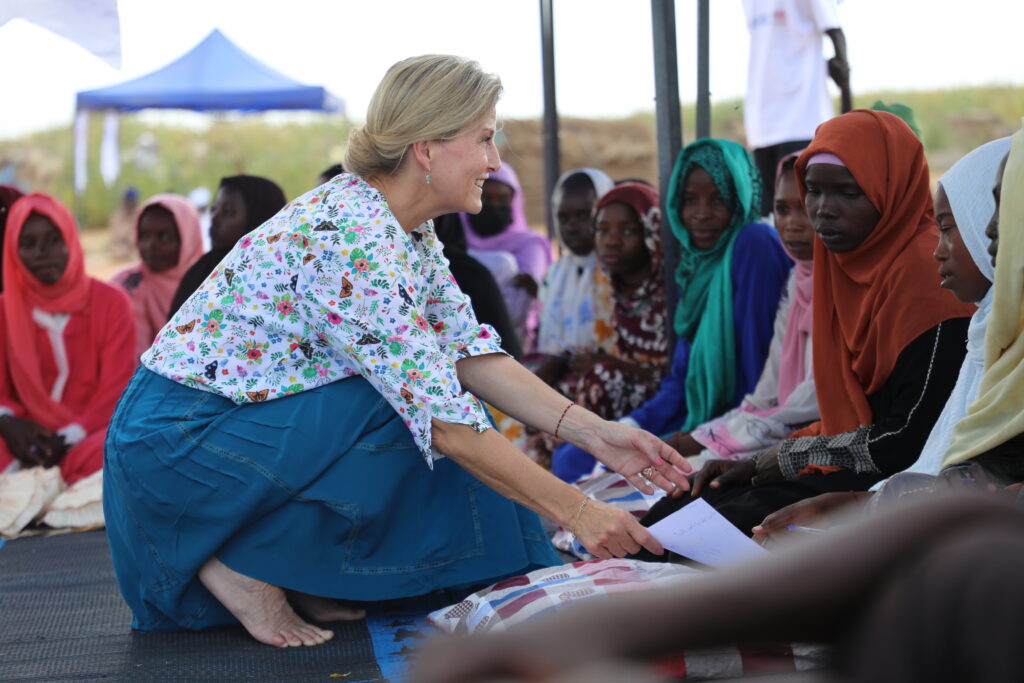
The Duchess wrote powerfully of her own visit to a transit camp
in Chad where she met many refugees from the war in Sudan. She said
”I heard stories of profound loss and resilience – young
children whose entire families had been killed in the most
indescribable ways, mothers who had witnessed the murder of their
husbands and sons, and women who had suffered sexual exploitation
in exchange for food and water. Their deeply personal and shocking
accounts reflected the experiences of so many.”
And she reflects on the 1,000 day milestone in the conflict,
noting that ”it is a moment that should make us stop and
reflect, not only due to the scale of the suffering, but because
this crisis has unfolded with so little global attention.”
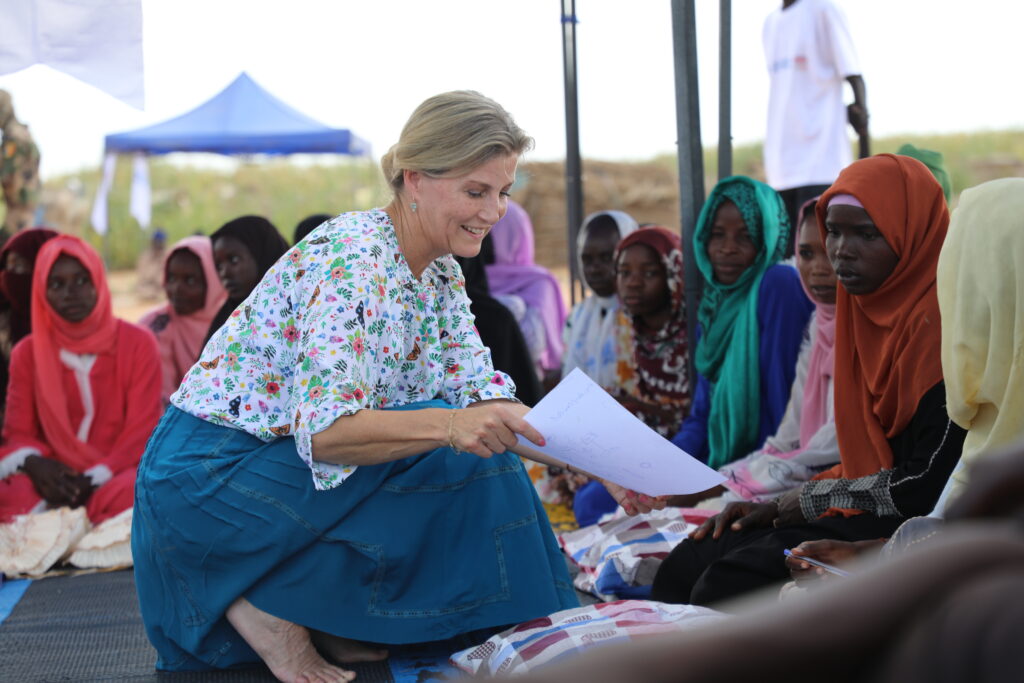
During her visit last October, the Duchess spent time at a
Plan International mobile
protection unit. Sophie is patron of Plan International, a global
children’s charity which works for equality for all young people
and has a focus on girls affected by inequality. The Duchess talked
about her time at the protection unit, saying ”I met women who
had fled the conflict now caring for children separated from their
families. Their resilience and quiet leadership reminded me of what
I have witnessed time and again – that women are central not only
to surviving crises, but to rebuilding and striving for lasting
peace. ”
The conflict in Sudan began in April 2023 when a power struggle
began between the country’s army and a paramilitary group called
the Rapid Support Forces. In 2019, the two forces had worked
together to oust Omar al-Bashir, Sudan’s then ruler. A civilian led
government followed but it was replaced in 2021 when the military
took power.
However, the leader of the armed forces, General Abdel Fattah
al-Burhan, and the leader of the RSF, General Mohamed Hamdan
Dagalo, began to disagree and in 2023, fighting broke out after
members of the RSF were moved around Sudan in a gesture that the
army saw as a threat. The fighting has led to tens of thousands of
deaths. The United Nations has described the flight of millions
from the country and the plight of those left behind as the world’s
largest humanitarian crisis.
The Duchess echoed those words as she wrote ”it has become
the world’s most severe humanitarian crisis”. And Sophie
continued ”we cannot change the past 1,000 days, but this
sobering milestone reminds us of the opportunity for organisations
working tirelessly on the ground to shape what happens next. By
standing alongside these remarkable individuals, including female
peace-builders and women-led organisations, we can help ensure that
the voices and needs of those affected by the conflict are heard
and valued.”
The opinion piece ended with a hope for the future as the
Duchess of Edinburgh said those in Sudan deserved ”to know that
the world has not forgotten them and that the pursuit of peace
remains possible.”