


 radioworldtoday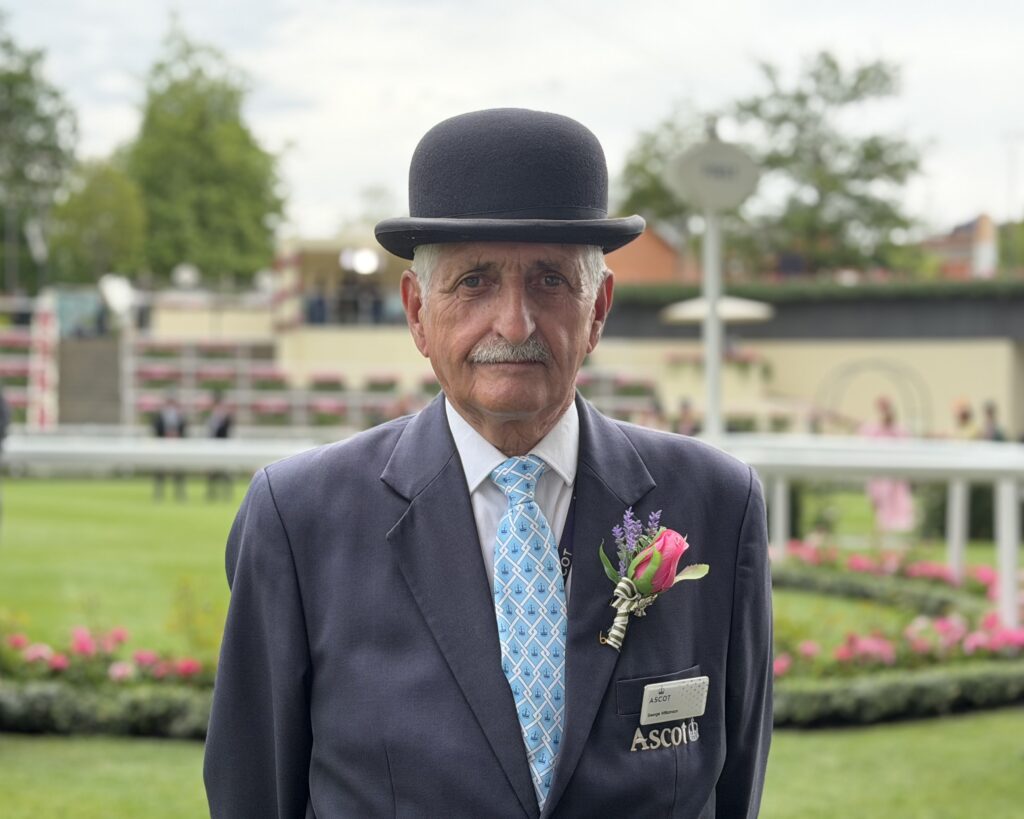
They are among the most recognisable figures at Royal Ascot,
instantly identifiable in their black bowler hats and immaculate
attire. They are photographed almost as often as the racegoers
themselves, stand proudly beside the royal procession each
afternoon and are as much a part of the Berkshire racecourse as top
hats and champagne.
But behind the tradition lies a team of dedicated men and women
who quietly ensure one of the world’s greatest sporting events runs
smoothly.
Known affectionately as the “Bowler Hats”, Ascot’s stewards are
the public face of the racecourse. Their duties stretch far beyond
offering directions and checking badges. They are responsible for
maintaining standards, protecting restricted areas, keeping crowds
moving and ensuring the safety and enjoyment of more than half a
million racegoers each year.
of the specialist Bowler Hats who is in charge of managing the
Winners’ Enclosure (Photo Copyright: Royal
Central)
As Royal Ascot gets under way, the sight of Bowler Hats
stationed around the grandstand, parade ring and lawns has become
one of the meeting’s most enduring images.
The tradition itself dates back 176 years and has become so
cherished that, when Ascot Racecourse underwent its £220 million
redevelopment in 2004, trustees felt compelled to reassure
racegoers that the iconic uniform would remain untouched when the
venue reopened in 2006.
Ironically, the now-beloved hat was not always welcomed.
Introduced in the late 1950s as part of efforts to maintain
standards at the racecourse, the requirement to wear bowler hats
sparked near mutiny among the stewards. Such was the opposition
that Ascot’s trustees were forced to offer pay rises to prevent
strike action.
Today, however, the bowler hat is inseparable from the character
and charm of the racecourse.
Five teams are deployed across Ascot’s sprawling grounds on
racedays. Some welcome guests into the grandstand and hospitality
areas, others patrol the lawns in all weather conditions, while
specialist stewards oversee the highly sensitive equine areas
around the weighing room, parade ring and horse crossings.
Although they are highly visible, Bowler Hats are not security
staff. Their role is to act as calm, approachable and professional
ambassadors for Ascot, escalating issues when necessary and
ensuring visitors receive the highest standards of customer
service.
Many have fascinating stories of their own.
Speaking previously to BBC Radio Berkshire, one steward, known
simply as Leonard, explained how he came to wear the famous hat
after retiring from an entirely different profession.
“I was a scientist and I gave up at 62, and wandered around the
house for a couple of years wondering what to do,” he said.
“I saw they were doing interviews, I came along and applied to
be a steward.”
Like many of his colleagues, Leonard found more than just a
part-time role. He became part of a tradition stretching back
generations.
Working days can last up to eight hours, with stewards expected
to remain active and vigilant throughout. They are trained in
emergency procedures, responsible for maintaining cleanliness and
safety, and are often the first point of contact for racegoers
needing help or information.
During Royal Ascot, their responsibilities extend to some of the
most exclusive areas of the racecourse, including the Royal
Enclosure and Royal Box, where they provide a discreet welcome to
members and guests.
Yet despite the prestige, the Bowler Hats themselves are rarely
in the spotlight.
Perhaps that is fitting. Their role is not to seek attention but
to ensure others enjoy one of Britain’s most celebrated sporting
and social occasions.
In a world of ever-changing fashions and modernisation, the
sight of a Bowler Hat at Ascot remains reassuringly familiar.
For generations of racegoers, they are more than stewards. They
are custodians of tradition, guardians of standards and one of the
enduring symbols of Royal Ascot itself.
Without them, the meeting simply would not feel the same.