

 radioworldtoday
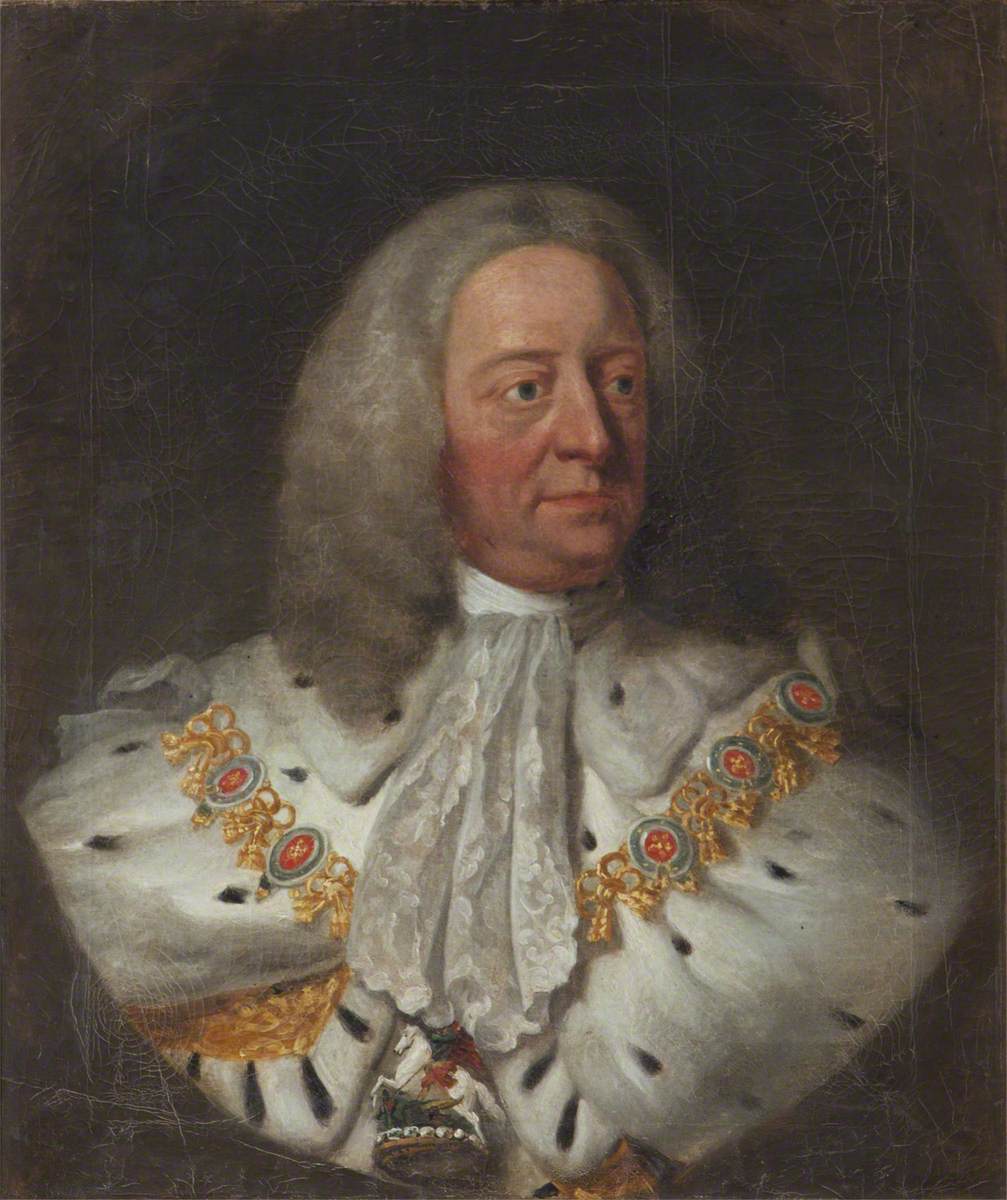
Shackleton, John; George II
(1683-1760), Wearing Garter Robes; National Trust, Belton House;
https://www.artuk.org/artworks/george-ii-16831760-wearing-garter-robes-176405
October is truly the king of all the
autumn months as the leaves turn to gold and regal red and the fading sun
adds a gentle sparkle to all it touches. And it’s marked the
beginning of five royal roads that ended with a crown – although
all five monarchs had very different royal careers. Here are the
men who became the October kings.
Henry III was the
first king of England to have an October birthday. He arrived
on October 1st 1207 in Winchester and was born,
that autumn morning, to be king. His father was one of
England’s most controversial monarchs, John, who had taken the
throne in 1199 and who needed a son to secure the succession.
His mother was John’s second wife, Isabella of Angouleme, who was
around 19 at the time of her son’s birth.
Henry became king at the age of nine on October 19th
1216 on the death of his father and was crowned that same year on
October 28th meaning Henry really was an October king.
Richard III, on the
other hand, was certainly not born to be king. His birth took place
on October 2nd 1453 at Fotheringay Castle in
Northamptonshire. He was the twelfth child of Richard, Duke
of York who had just become Protector of England after another
period of serious mental health problems left the king, Henry
VI, unable to rule. But while his dad was a powerful magnate
with a claim to the throne, baby
Richard entered the world as another noble rather than a king
in waiting.
As Richard grew up his dad did lay
claim to the crown and the battles that became known as the Wars of
the Roses took hold of England. The friction and factions caused by
those wars would lead Richard to be king but on the autumn day he
made his entry into the world, a throne was a world away.
That was definitely not the case for
the next king of England to be born in October.
Edward VI arrived on October 12th 1537 and
fulfilled the dreams of his father, Henry
VIII, for a male heir. This most awaited of royal births
took place at Hampton Court Palace and followed three days of
labour for Henry’s third wife, Jane Seymour, who died
soon afterwards of childbed fever.
Edward VI, like Henry III, became
monarch at the age of nine when his father died but unlike the
first October king his reign proved short and he died in 1553 just
before his sixteenth birthday.
James II was another
younger son without much hope of a crown when he made his debut on
October 14th 1633 at St James’ Palace in London. His
father, Charles I, had been king for eight years and already had a
son and heir while his mother, Henrietta Maria of France, was still
struggling to win popular support despite her love of culture and
her ability to fill a royal nursery with sons.
James’ early life was spent in the
turmoil of the English Civil War and when he was fifteen his father
was executed. His return to England on the Restoration of the
Monarchy led to a controversial spell as heir to the throne and
although he did eventually succeed his brother,
Charles II, he lost his crown just three years later to his
daughter and son-in-law, Mary II and William III.
George II also
arrived on an autumn day without much hope of becoming a king. When
Sophia Dorothea of Celle gave birth to her first child, a boy,
in Hanover on October 30th 1683 the tot was heir to a
dukedom. But seventeen and a bit years later his dad was
transformed into heir to the British throne when the House of
Stuart ran out of Protestant successors and by 1706 George
was Duke of Cambridge as the Hanoverians prepared to take
on a kingdom.
George arrived in England in 1714 and
became king in 1727, the start of a reign that would last 33 years.
And for now he is the last monarch to have a birthday in this
autumnal month – the last of the October kings